Local public health officials are reminding residents to take precautions as localized flooding impacts some properties across the region.
Officials say floodwater and pooling water around wells can compromise drinking water safety, particularly for homes that rely on private well systems.
Residents whose wells may have been affected are being advised to boil water for at least one minute at a rolling boil before consuming it, or to use an alternate safe water source until testing confirms the water is safe.
Public health officials stress that bacterial contamination is not always visible and may not affect the taste, smell, or appearance of water.
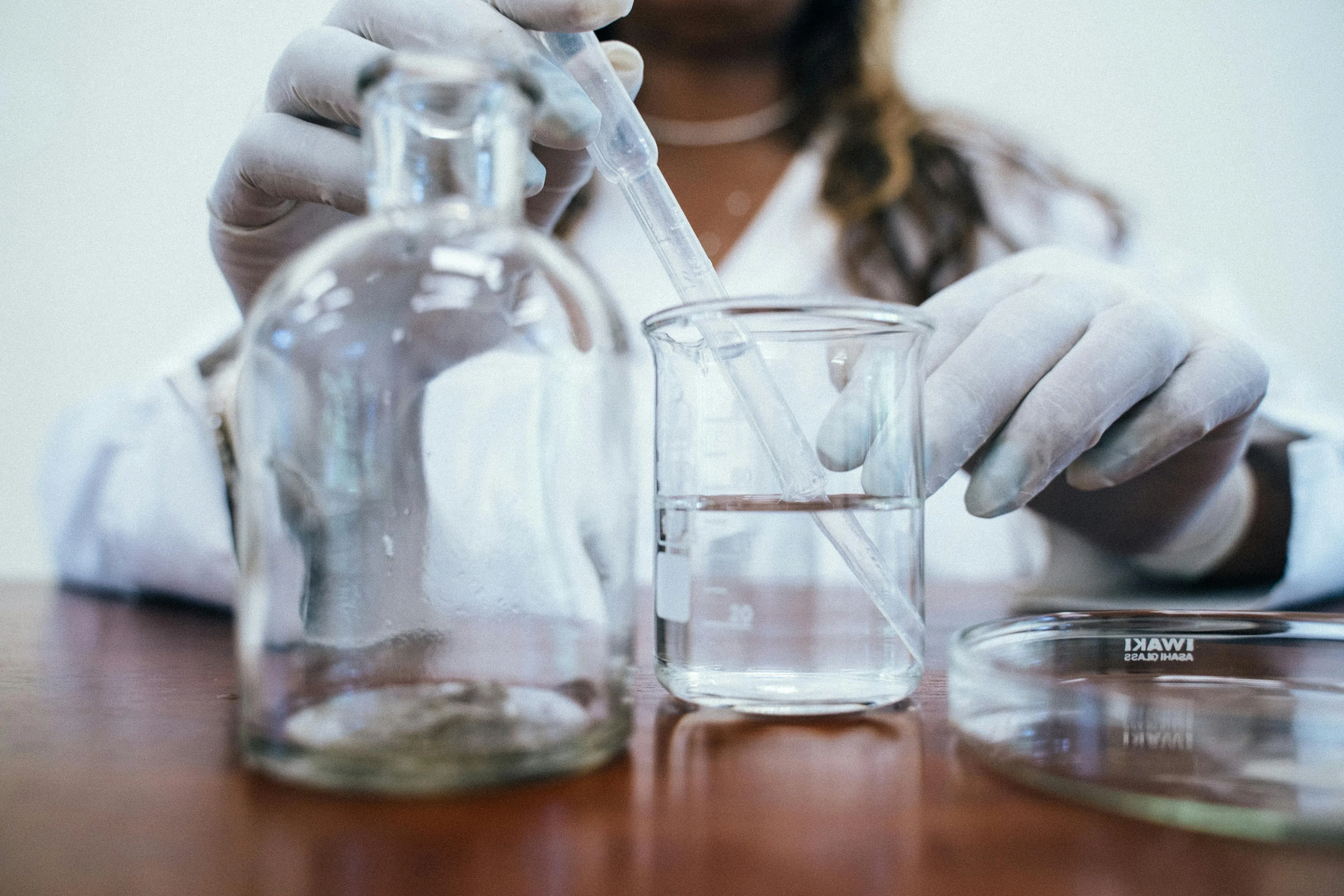
Testing is the only way to confirm whether water is safe to drink.
They recommend testing well water at least three times per year, and again after significant weather events such as heavy rainfall or flooding.
Even for homes with treatment systems such as UV disinfection and filtration, Ontario guidance recommends continued testing, as systems can fail, may not remove all contaminants, and can be less effective if water becomes cloudy after flooding.
Testing is still required to confirm that water is safe to use.
In addition to water safety, officials are encouraging residents to take steps to reduce the impact of flooding on their properties.
That includes monitoring weather forecasts, clearing drainage areas, and moving items that could be damaged to higher ground.
Residents are also advised to store chemicals and fuel safely to prevent contamination, and to keep emergency kits stocked with essentials such as drinking water, food, medications, and important documents.
Officials say knowing how to shut off utilities and planning ahead can help reduce risks if flooding conditions worsen.
For more information on well water safety and testing, visit Public Health Ontario’s well water testing page.
(Written by: Joseph Goden)
